
Fred Hutch Cancer Center
Research that reshaped a quitting guide before its clinical trial
Role
UX Researcher
Timeline
10 Weeks
Client
Fred Hutch

3 changes
Made to the app before the launched
6 interviews
Co-facilitated with young adults who use tobacco or nicotine
1 catch
A login issue found before it could reach trial participants
What is LiFT?
LiFT is a tobacco cessation app from Fred Hutch. It pairs young adults with Alex, a virtual guide who checks in and encourages them through a quit attempt.
Fred Hutch builds digital interventions for cancer prevention and health behavior change in underserved communities. The premise of LiFT is simple: quitting tobacco is hard to do alone, and a guide that feels genuinely present, rather than a generic reminder app, should keep people engaged longer, which in turn should improve quit rates.
The gap
The clinical trial would test the program, not the experience around it
LiFT had already been tested with LGBTQ+ populations and was preparing for a larger clinical trial with young adults who use tobacco or nicotine. That trial was designed to evaluate the program’s content and efficacy, not the surrounding UX. Two things fell outside its scope entirely.
If we didn’t answer these questions before the trial launched, nobody would. This research existed specifically to fill the gap that the trial itself wouldn’t touch.
Question one
Would people connect with Alex?
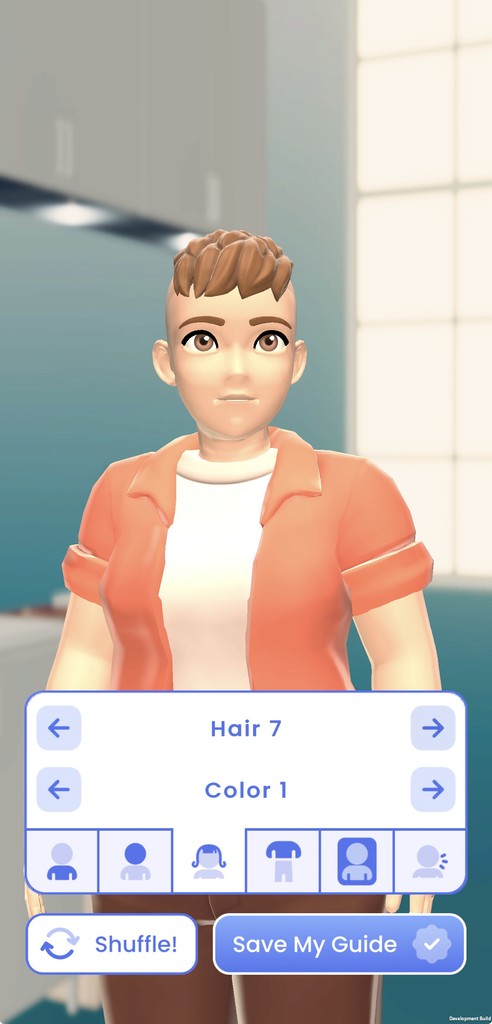
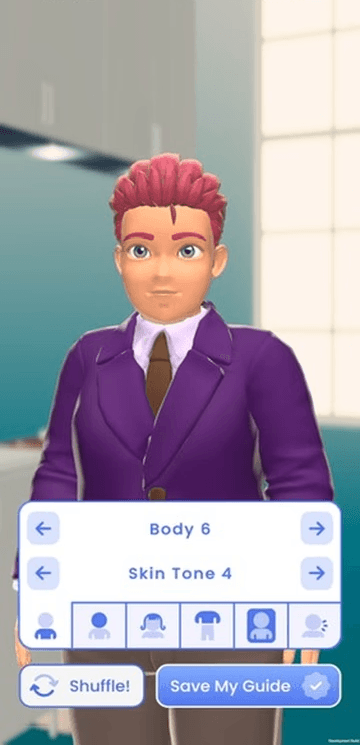
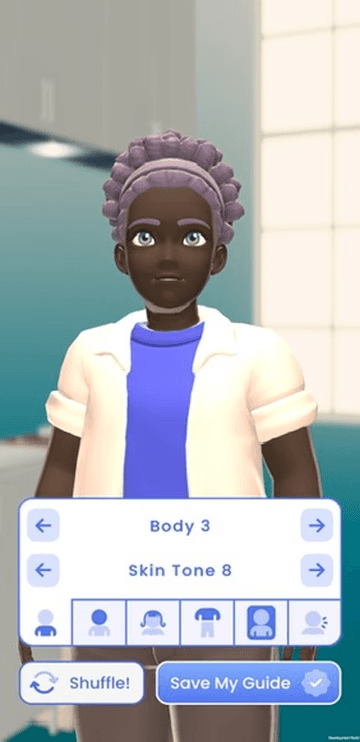
Alex’s design had been shaped by earlier generative research, but that research had never been verified, and for the broader population the app was expanding to, it had never been tested at all. Nobody had confirmed that this wider group of young adults would actually trust or connect with the avatar as built.
Question two
What makes a notification motivating?
Notifications had never had generative research at all. The team didn’t have a clear picture of what timing, tone, or content this population actually wanted, and the clinical trial wasn’t going to surface that either. How could we craft notifications that motivate instead of becoming background noise?
My role
I scoped the study to what could still shape the trial
I led early research scoping, pushing the team toward the two areas with the clearest path to actionable findings before the trial launched: avatar customization and notifications.
I proposed and scrapped early ideas for diary studies and co-design sessions, since long-term engagement data and notification-content testing could be captured later through other ongoing studies. Interviews were the fastest way to surface findings that could still shape the trial before it started.
one
Drafted the interview guide
two
Created the think-aloud stimulus materials
three
Co-facilitated six interviews
four
Documented observations
five
Synthesized themes into product recommendations
What helped the most: follow-up stimulus slides
I created them for after the customization task. They gave participants something concrete to react to, helping us move beyond first impressions into deeper conversations about identity, trust, and motivation. With everything laid out side by side, participants were able to give me critical, specific feedback.
I also drafted rough research plans and slides to help the team ideate on what data would be most useful and most impactful in the short term to inform the clinical trial.

rough plans I drafted to help the team choose what to study
Research focus
One main question, five ways into it
Main research question
How does the design and customization of a virtual guide, alongside notification messaging, influence young adults’ motivation, engagement, and trust in the LiFT app?
Sub-questions
1. How does personalizing a virtual guide influence motivation and engagement?
2. How do users perceive and navigate the avatar customization experience?
3. What emotional responses does the guide evoke?
4. What notification timing, content, and delivery methods do users prefer?
5. How much control do users want over notifications and personalization features?
Method
Starting with their own story made honesty possible
Why interviews
I pushed the team toward interviews over diary studies or co-design. Long-term engagement data could be captured in other ongoing research, so interviews were the fastest way to get findings that could still shape the trial before it launched.
Each session followed four parts
1.
Share
Their own quitting journey.
2.
Customize
Alex, while thinking aloud.
3.
React
To stimulus concepts laid side by side.
4.
Explore
Notification preferences.
Starting with their own quitting story, before asking them to build anything, set the tone for the rest of the session. I created stimulus slides for after the think-aloud customization task, specifically to elicit deeper reactions and get more targeted feedback on the customization experience.

stimulus slides I made to get past first impressions
Getting honest answers about a hard topic
Six people talking about their own quit attempts with two strangers on a video call is not a low-stakes conversation. Here’s how I helped participants feel safe enough to be honest about it:
I told participants up front that we hadn’t built the app and their care team would never see what they said.
• I made clear upfront that we weren’t part of the team that built the app; we’d been brought in specifically to get honest opinions on it. Their care team wouldn’t see or be affected by anything they said, and critical feedback wouldn’t hurt our feelings either.
• I kept the interview language judgment-free throughout, especially around relapse and failed quit attempts.
• I structured sessions so participants led with their own quitting story before I asked them to build or react to anything.
That ordering mattered. Once people had already talked about a hard, personal thing without being judged, they trusted me enough to say what actually felt fake or preachy about Alex.
Why think-aloud
People are surprisingly bad at remembering why they clicked something five minutes ago. Having participants customize Alex while thinking out loud let us catch those tiny moments of hesitation and delight in the moment they happened. Then, using the stimulus slides I created, we dug even deeper into what made Alex feel supportive or not.
Findings
People weren’t customizing a mascot. They were building themselves.
A mirror, not decoration
Several participants described the finished avatar as talking to themselves. Customization wasn’t decoration; it was a mirror that made the quitting journey feel personally owned.
Inclusive, but not deep enough
The options had something for everybody on paper, but people still asked for darker skin tones, skin texture like freckles, natural hair textures, braids and afros, and more feminine clothing.
Voice is a trust decision
Not a style choice. A voice that sounded robotic or unenthused quietly undercut all other content in the app.
Timing beats message
Control over timing and frequency mattered more than the message itself. Participants wanted notifications to hit at the times they were most likely to smoke.
One more thing surfaced
A login issue that had nothing to do with our research questions, but everything to do with the trial’s success.
While observing participants navigate the app during sessions, I caught a technical issue in the login flow that would have blocked or confused users trying to get into the app on their own. Left unfixed, this could have caused major onboarding failures once the clinical trial launched, undermining recruitment and retention before the study even began.

the final report, with illustrated participants and severity ratings
Impact
Three changes landed before launch
Expanded customization
To close the representation gaps we found.
Reconsidered voice
Because a robotic tone was undercutting trust.
User-controlled scheduling
Notifications moved off a fixed cadence.
Caught early
Think-aloud put people inside the real app, which surfaced a login issue that would have blocked unsupervised onboarding mid-trial.
A participant hesitated at the login screen for reasons that had nothing to do with our research questions. We only caught it because think-aloud put people inside the real app, not a survey or a description of it. Had this surfaced mid-trial instead, it would have hit during unsupervised onboarding, with no researcher present to explain the drop-off. We flagged it early enough to account for before the trial launched.
Reflection
People don’t complain about what’s missing. They quietly notice.
Nobody said the app wasn’t inclusive. That’s much harder to catch, and much more useful to know.
Impactful research happens before sessions even start
Understanding prior findings, stakeholder goals, and technical constraints mattered as much as the interviews themselves. Scoping was iterative; every idea got stress-tested against whether it was actionable, and the study was stronger for cutting the ones that weren’t.

presenting the final report to the Fred Hutch team