

Gemdur Quest
A narrative-driven game for learning about transgender identity, health, and culture
Overview
Access to information about transgender identities, health, and culture is often limited, especially for younger audiences. Existing resources tend to be dense, academic, or difficult to explore safely, particularly for individuals in unsupportive environments.
What did I do?
Our goal was to design an experience that makes learning about transgender topics more accessible, engaging, and emotionally safe. We wanted to move away from traditional educational formats and instead create something that fosters curiosity, empathy, and self-paced exploration.
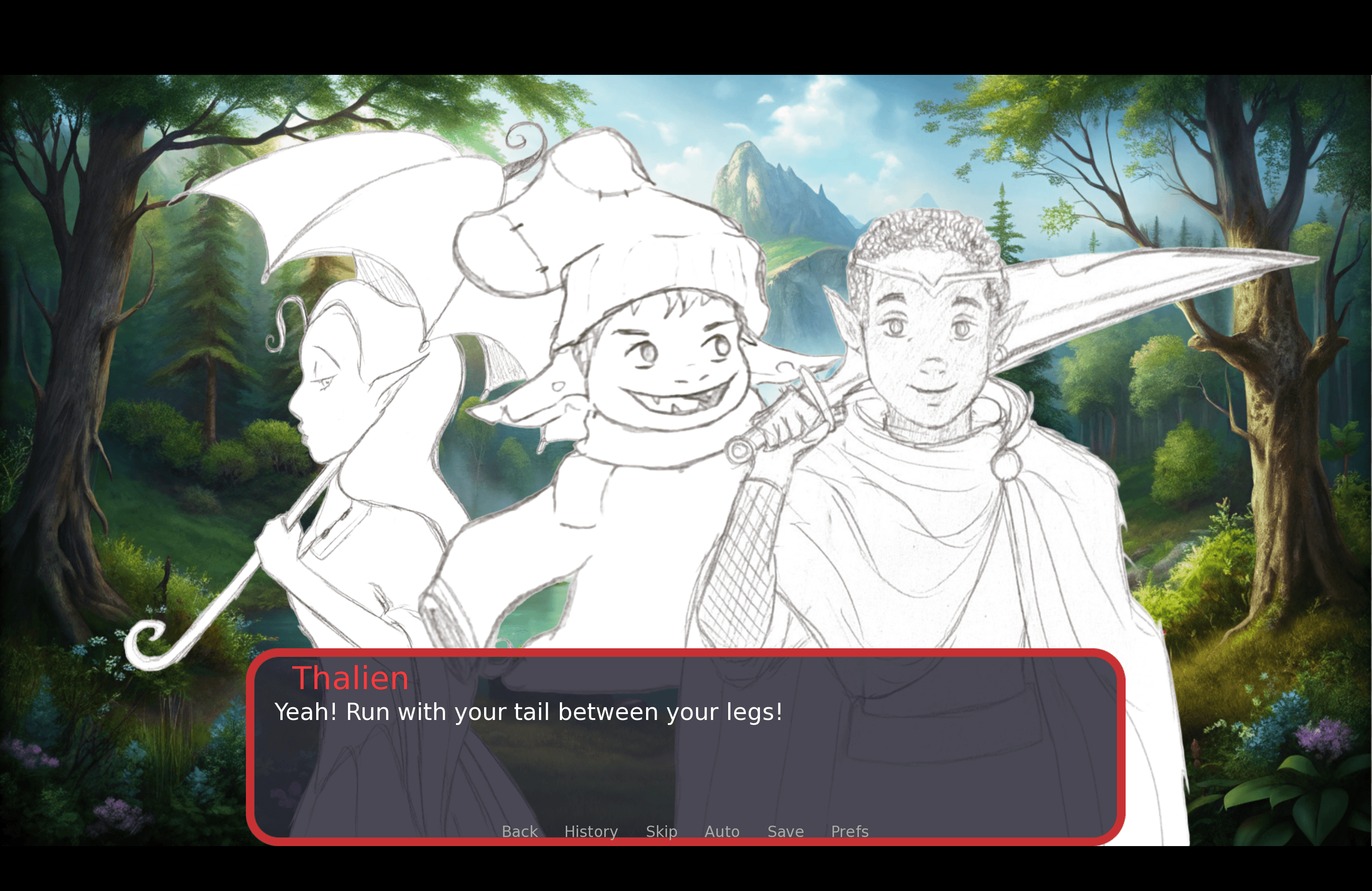
We initially explored building a database-style resource, but quickly pivoted after realizing it would feel overly informational and disengaging. Instead, we designed a fantasy-themed visual novel where learning is embedded within narrative and character interactions.
Key design decisions included:
Narrative-based learning: Users engage with topics like the gender spectrum, self-advocacy, and gender-affirming care through dialogue and quests
Choice-driven exploration: Players navigate different paths, allowing them to follow topics they’re most interested in
Personalization: Players input their pronouns early on, which are reflected throughout the experience
Accessibility features: Voice-over support and simple controls to support different learning needs
Emotional safety: PG language, low-stakes interactions, and character-driven conversations to reduce anxiety
We built the experience using Ren’Py with ClaudeCode, collaborated on story and character design, and iterated through usability testing.
Through testing (6 participants), we identified key issues and made improvements:
Rewrote dialogue options to better match user expectations and prevent missed learning opportunities
Added a tutorial to clarify controls and highlight accessibility features
Adjusted progression to encourage more interaction with key character
How did it end up?
The final experience was described by users as “charming,” “informational,” and “transformative.”
Users reported learning new information about transgender health, culture, and identity
Character interactions created a safe space to explore sensitive questions
Narrative structure increased engagement compared to traditional formats
Iterations improved clarity, accessibility, and depth of exploration
The project demonstrated that interactive storytelling can be a powerful tool for education, especially for sensitive or complex topics. By embedding learning within narrative and choice, we created an experience that supports both understanding and empathy.